

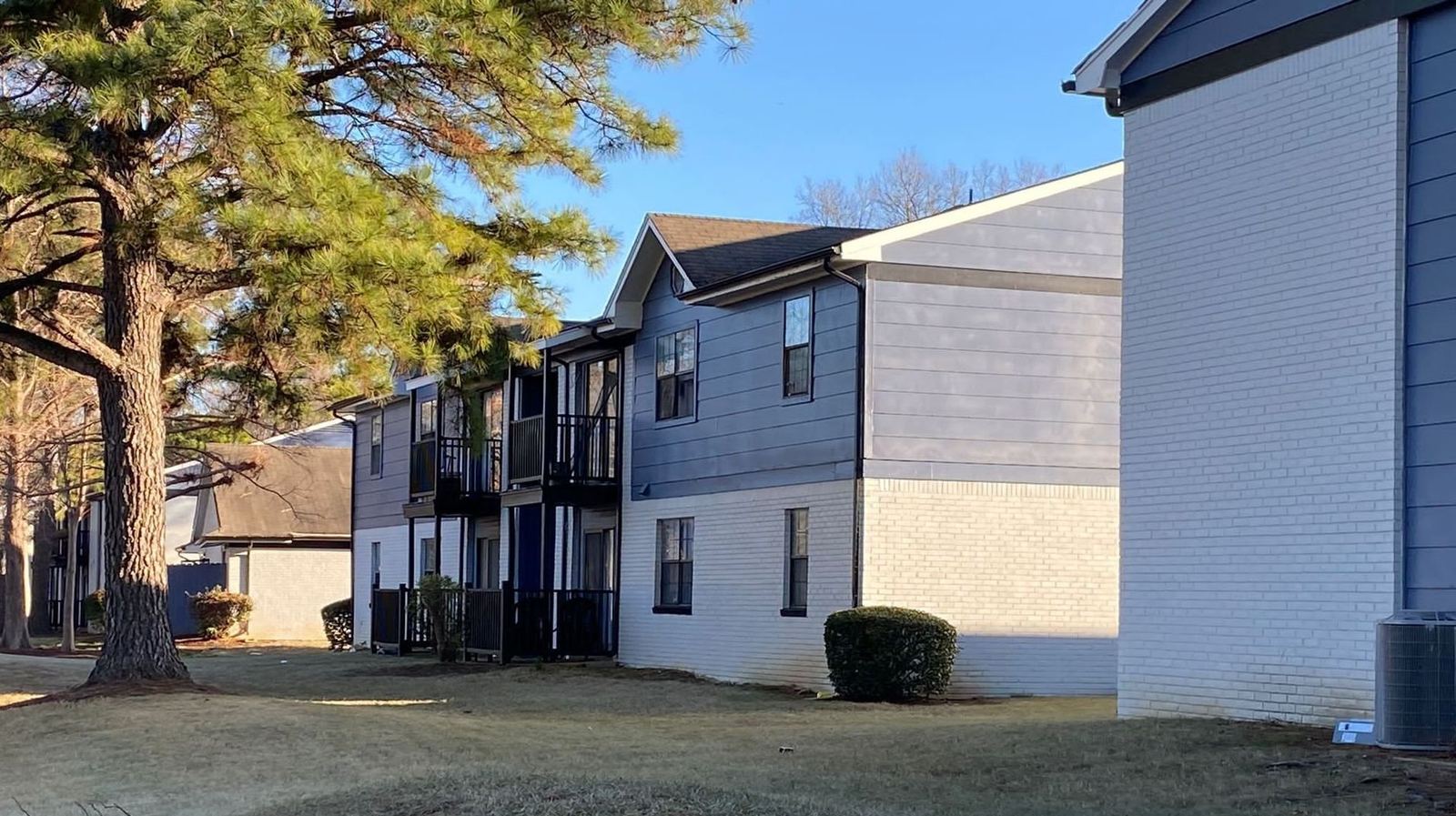
Should you hire professional movers or rent a truck and do it yourself? The answer depends on your budget, how much you own, how far you are going, and how much time and help you have. This guide breaks down the costs and trade-offs, explains how to vet a moving company, and shares packing tips that save time and protect your stuff — whether you are moving across Memphis or across the country to The Enclave Apartment Homes in Hickory Hill.
Option 1: Full-service movers
Professional movers load, transport, and unload your belongings. Many also offer packing, unpacking, and furniture assembly for an added fee.
Best for
- Long-distance and interstate moves.
- Large households or heavy furniture.
- People with limited time, physical limitations, or no helpers.
Trade-offs
It is the most expensive option. Prices depend on distance, weight or volume, time, stairs, and extra services. Busy seasons — often summer and the end of each month — can cost more and book up early.
Option 2: DIY with a rental truck
You rent a truck or trailer, recruit friends, and handle everything yourself.
Best for
- Short, local moves within Memphis.
- Studios and smaller households.
- Tight budgets with willing helpers.
Trade-offs
The base rental price is only part of the cost. Add mileage charges, fuel, insurance coverage options, dollies and moving blankets, and food for your helpers. You also take on the physical risk and the job of driving a large vehicle.
Option 3: Hybrid moves
Many renters split the difference:
- Labor-only movers: You rent the truck; hired helpers do the heavy loading and unloading.
- Portable storage containers: A container is dropped off, you pack it at your own pace, and the company transports it. Ask the leasing office at your new community where, or whether, a container can be placed.
- Freight or shipping services for long-distance moves with smaller loads.
How to compare the real costs
- Inventory your belongings. Count big items and estimate boxes.
- Get at least three written estimates for professional options.
- Price the DIY version fully: truck, mileage, fuel, equipment, supplies, and your time off work.
- Factor in risk: injuries, damage to furniture, or damage to the old or new apartment.
Include moving costs in your overall budget alongside deposits and fees. Our rent affordability guide helps you see the full picture.
How to vet a moving company
For interstate moves
Moving companies that transport household goods across state lines must be registered with the Federal Motor Carrier Safety Administration (FMCSA) and have a USDOT number. The FMCSA’s “Protect Your Move” website lets you look up a mover and explains your rights and responsibilities.
For any mover
- Check reviews on several sites and look for patterns, not one-off complaints.
- Ask for an in-home or video survey rather than a quote over the phone.
- Get a written estimate that explains whether it is binding or non-binding.
- Ask about valuation coverage — how much the mover will pay if something is lost or damaged.
- Be cautious of very low quotes, large cash deposits, or movers who will not give a physical address.
- Read the contract before your belongings are loaded.
Packing like a pro
Supplies
- Sturdy boxes in a few sizes — small boxes for books, larger for linens.
- Packing tape, markers, and labels.
- Packing paper, bubble wrap, or towels and clothing as padding.
- Plastic bags for screws and hardware, taped to the furniture they belong to.
Strategy
- Start early with rarely used items.
- Pack room by room and label each box with the room and contents.
- Keep boxes under about 50 pounds so they are safe to lift.
- Pack heavy items at the bottom, light items on top.
- Photograph electronics before unplugging so reconnecting is easy.
- Pack an essentials box with toilet paper, a shower curtain, towels, bedding, chargers, basic tools, snacks, medications, and important documents. Keep it with you.
Moving with children? See our moving with kids guide for family-friendly packing tips.
Measure before you move
Know what fits before you haul it. The Enclave’s layouts are a 1-bedroom / 1-bath at 689 square feet (from $910), a 2-bedroom / 2-bath at 1,014 square feet (from $1,055), and a 3-bedroom / 2-bath at 1,150 square feet (from $1,180). Rents are subject to change. Study the drawings on the floor plans section and bring a tape measure on your tour. If a piece will not fit, sell or donate it before moving day.
Moving-day tips for Memphis
- Beat the heat: In summer, start early in the morning and keep water and electrolyte drinks on hand.
- Watch the weather: Spring storms can roll in quickly. Have tarps and plastic wrap ready, and never drive a loaded truck into severe weather.
- Coordinate with the office: Ask about move-in times, where to park the truck, and key pickup.
- Protect floors and walls at both apartments to avoid deposit deductions.
- Set up utilities ahead of time so lights and water work when you arrive. See our MLGW guide.
After the move
Walk through your new home and note any existing issues before you unpack fully. Take photos, and submit maintenance requests through the resident portal if something needs attention. Then get your renters insurance in place if you have not already; see our renters insurance guide.
Plan your move to The Enclave
Schedule a tour, call (901) 795-4000, or apply online to get your moving date on the calendar.
Frequently asked questions
How do I check an interstate moving company?
Interstate household-goods movers must be registered with the Federal Motor Carrier Safety Administration. Its Protect Your Move website lets you look up a mover’s USDOT number.
Where should a moving truck park at The Enclave?
Ask the leasing office at (901) 795-4000 about move-in times, truck parking, and key pickup before moving day.