

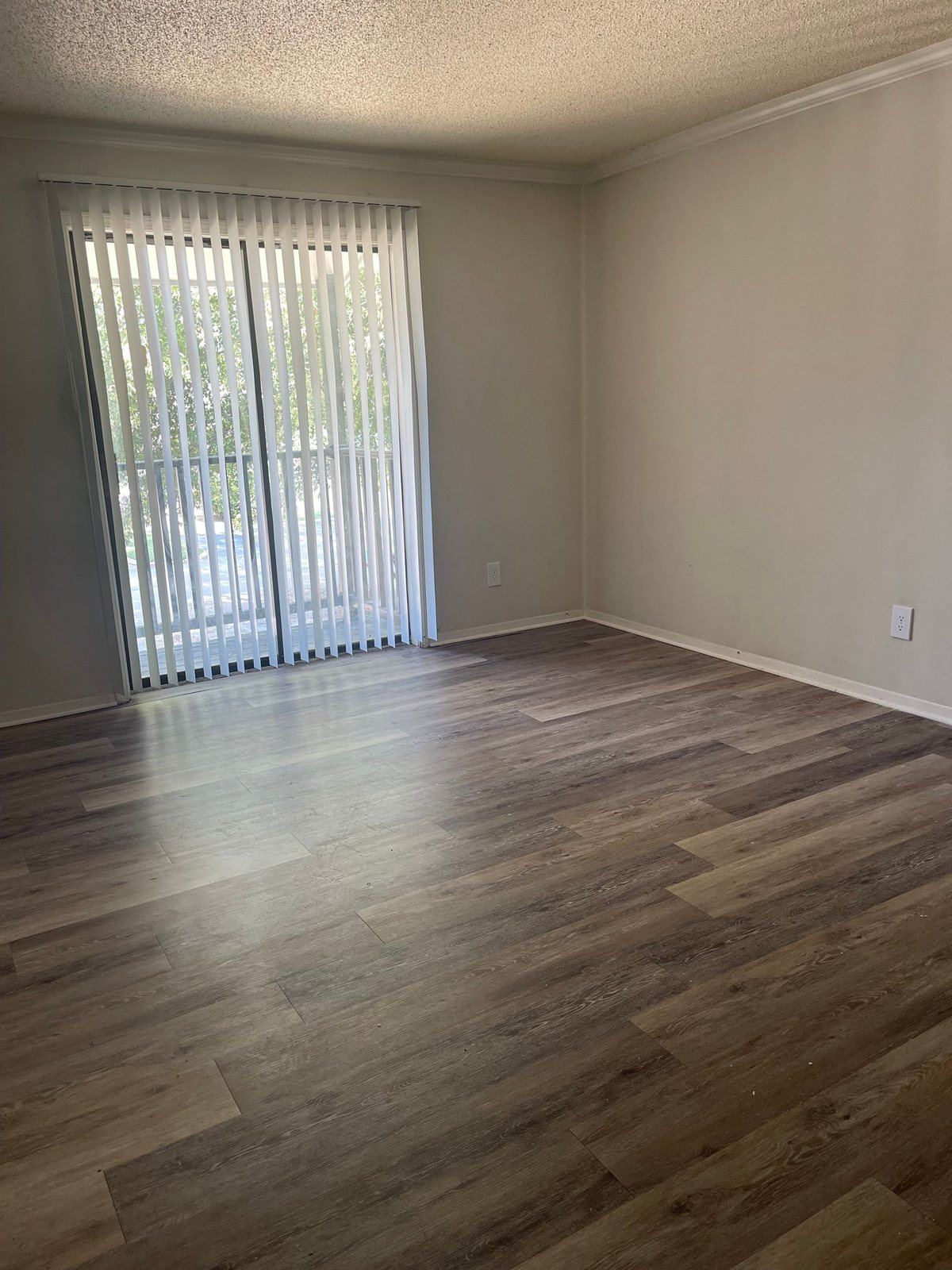
Cats and apartments are a natural match. A cat does not need a yard, does not need three walks a day, and is usually happy with a sunny window and a quiet corner. Still, moving a cat into a new apartment takes a little planning, especially in a city with long, humid summers like Memphis. This guide covers what cat owners should know before and after they move, from choosing a floor plan to setting up a litter area that keeps your home fresh. If you are looking at The Enclave Apartment Homes at 2940 Hickory Hill Road in southeast Memphis, you will also find the community’s published pet fees below.
Before you apply: pet policy basics
Every apartment community sets its own pet rules, so read the policy before you fall in love with a unit. Questions worth asking on any tour include:
- Are cats allowed, and is there a limit on the number of pets per home?
- What one-time pet fee and monthly pet rent apply?
- What documents are needed, such as vaccination records or a vet contact?
- Is there a pet addendum to the lease, and what does it say about damage?
The Enclave is pet friendly. Its published pet fees for a cat are a $125 fee and $20 per month (for a dog, a $150 fee and $25 per month). Call (901) 795-4000 or ask on your tour about any additional restrictions, and get the pet terms in writing with your lease.
Vaccines, licensing, and a Memphis vet
Tennessee law requires rabies vaccination for dogs and cats, and the City of Memphis has its own pet licensing rules. Memphis Animal Services is the city agency to check for current licensing requirements. Keep a copy of your cat’s rabies certificate in your phone and in your move-in folder, because property offices commonly ask for it.
Find a veterinarian before you need one. Ask about the nearest emergency animal hospital as well, and save that address in your map app. A move is stressful for cats, and stress can bring on stomach or urinary problems, so it helps to know where to go on a weekend.
Choosing a floor plan with a cat in mind
Cats care less about square footage than about vertical space, hiding spots, and a calm litter area. The Enclave’s three published layouts give you different options:
1-bedroom / 1-bath (689 sq ft)
Fine for one or two cats if you plan the space carefully. A tall cat tree near a window adds territory without taking much floor area. The litter box often ends up in the bathroom; a covered box with a mat keeps litter from tracking.
2-bedroom / 2-bath (1,014 sq ft)
The second bathroom or a corner of the second bedroom can become a dedicated cat space, which keeps litter away from the kitchen and living room. Multi-cat households often appreciate the extra room for a second box.
3-bedroom / 2-bath (1,150 sq ft)
Families with kids and cats can give the cat a quiet retreat away from busy shared spaces. Compare all three on the floor plans section.
Moving day with a cat
Moving day is the riskiest day of a cat’s year. Doors are propped open, strangers carry boxes, and familiar furniture disappears. A simple plan keeps your cat safe:
- Set up a safe room first. At the old place, shut your cat in a bathroom with litter, water, and a carrier before movers arrive. Put a sign on the door.
- Travel in a secure carrier. Never let a cat ride loose in a car. Put a towel that smells like home inside.
- Repeat at the new apartment. Set up one room with litter, food, water, a bed, and a hiding spot, and keep the cat there until the furniture is in and the doors are closed.
- Expand slowly. After a day or two, open the rest of the apartment. Some cats explore in an hour; shy cats may take a week.
- Update the microchip. Log in to your microchip registry and change your address and phone number the same day.
Our first-week unpacking plan pairs well with this schedule.
Litter boxes: keep the apartment fresh
Odor is the number one complaint about cats in apartments, and it is almost always preventable.
- Use the right number of boxes. A common rule of thumb is one box per cat plus one extra.
- Scoop daily. Once a day, at minimum. Seal waste in a small bag before it goes to the trash.
- Change litter completely on a schedule. Wash the box with mild, unscented soap; strong cleaners can turn cats away from the box.
- Protect the floor. A litter mat or a washable rug under the box protects flooring and helps at move-out.
- Clean accidents fast. Enzyme cleaners break down urine odor rather than covering it up.
Scratching, climbing, and protecting your deposit
Scratching is normal behavior, not a bad habit. Give your cat better options than the carpet or door trim:
- Place a sturdy vertical scratching post near where your cat sleeps and near the front door.
- Add a horizontal cardboard scratcher, which many cats prefer.
- Use double-sided tape on spots you want to protect while new habits form.
- Trim nails every couple of weeks.
Take dated photos of floors, blinds, and door frames at move-in. Our security deposit guide explains why that matters when you move out.
Memphis weather and indoor cats
Memphis summers are hot and humid, and power or air-conditioning problems can quickly make an apartment uncomfortable for pets. Keep fresh water in more than one spot, avoid leaving a cat in a closed room with no airflow, and report AC problems through the resident portal right away. In winter, cats will seek warm spots, so keep space heaters out of reach and never leave one running in an empty room. Fleas and mosquitoes are active much of the year in the Mid-South, so ask your vet about year-round parasite prevention even for indoor cats.
Enrichment for an indoor apartment cat
An indoor cat lives longer and safer, but it needs stimulation. Short play sessions with a wand toy twice a day, a window perch for bird watching, food puzzles, and rotating toys keep boredom down. A bored cat is more likely to scratch furniture, knock things off counters, or yowl at night, which your neighbors will notice.
Find a cat-friendly home in southeast Memphis
If you are comparing pet-friendly apartments in Hickory Hill and Fox Meadows, schedule a tour of The Enclave and bring your pet questions. When you are ready, you can apply online. For more on pets, read our pet-friendly apartments guide and our dog owner’s guide.
Frequently asked questions
Does The Enclave allow cats?
Yes. The community is pet friendly. Published cat fees are a $125 fee and $20 per month. Call (901) 795-4000 about any additional restrictions.
Do cats need a rabies vaccine in Tennessee?
Yes. Tennessee law requires rabies vaccination for dogs and cats. Check with Memphis Animal Services about city licensing.